Midori
Maiden Camellia
Chika Gentou Gekiga: Shoujo Tsubaki
Genres
- Drama
- Horror
Tags
all 20- DramaTragedy98
- OtherEro Guro94
- OtherGore93
- OtherBody Horror92
- Main CastFemale Protagonist90
- SceneCircus88
- DramaBullying87
- OtherSlavery77
- Sexual ContentSadism72
- Sexual ContentRape72
- TraitsOrphan70
- TraitsNudity69
- TimeHistorical67
- OtherSurvival66
- OtherCannibalism60
- FantasyMagic60
- Sexual ContentAmputation56
- Sexual ContentDefloration56
- Sexual ContentGroup Sex48
- Sexual ContentFutanari40
Genres: Drama, Horror. Tags: Tragedy, Ero Guro, Gore, Body Horror, Female Protagonist, Circus, Bullying, Slavery, Sadism, Rape, Orphan, Nudity.
#21676
Popularity
348
Favorites
21.7K
Members
- Aired
- May 2, 1992 –
- Duration
- 47 min
- Rating
- R - 17+ (violence & profanity)
- Studio
- Mippei Eigeki Kiryuukan
Alternative Titles
enMaiden Camellia
en-x-romajiChika Gentou Gekiga: Shoujo Tsubaki
ja地下幻燈劇画 少女椿
enMr. Arashi's Amazing Freak Show
Synopsis
The "Shoujo Tsubaki" or "Camellia Girl" character was a common stock protagonist regularly featured in Japanese street theater throughout the 1920s. The character typically manifested as a young and impoverished female adolescent who sold camellia flowers on the streets. One incarnation of the character features in a short story, also titled "Shouji Tsubaki," within an anthology—eventually repurpo
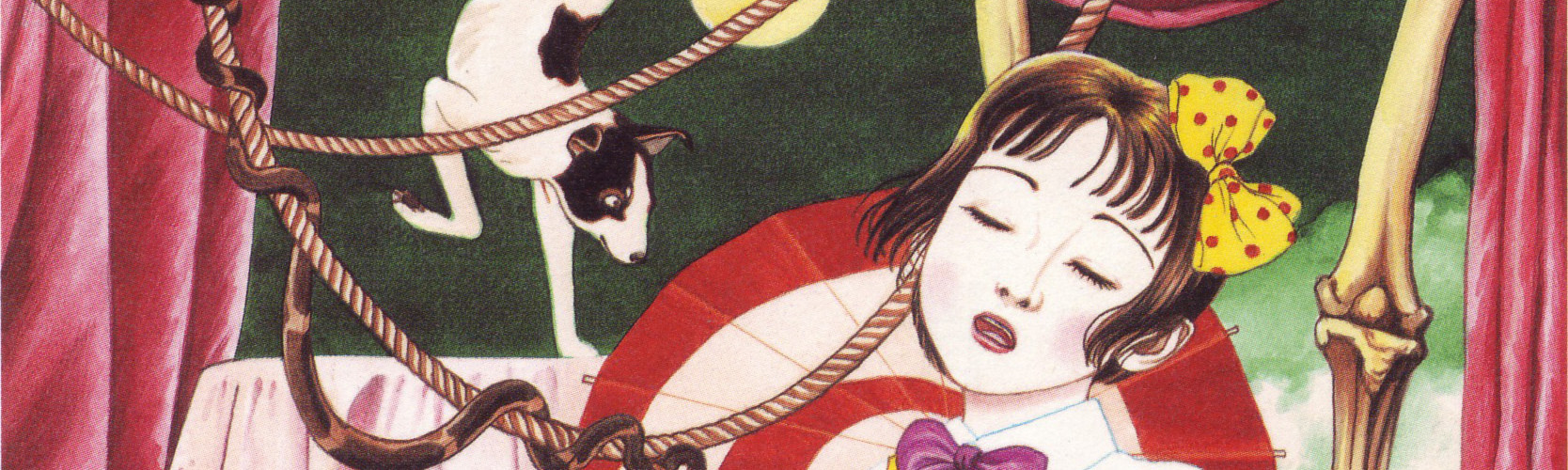
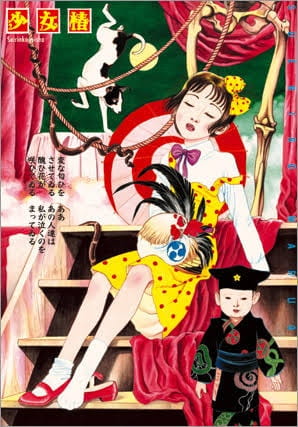
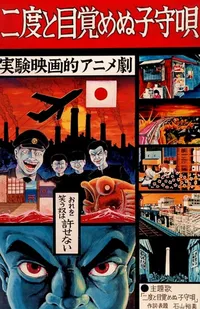
The "Shoujo Tsubaki" or "Camellia Girl" character was a common stock protagonist regularly featured in Japanese street theater throughout the 1920s. The character typically manifested as a young and impoverished female adolescent who sold camellia flowers on the streets. One incarnation of the character features in a short story, also titled "Shouji Tsubaki," within an anthology—eventually repurposed as a full-length graphic novel by Suehiro Maruo, known as Mr. Arashi’s Amazing Freak Show in English. This, in turn, was adapted into the animated film Chika Gentou Gekiga: Shoujo Tsubaki, which roughly translates to "Underground Projected Dramatic Pictures: The Camellia Girl." The film is known simply as Midori in releases outside of Japan. Aside from the music, sound effects, and an uncredited voice cast, the entirety of the film was created almost exclusively by Hiroshi Harada under the pseudonym "Hisaaki Etsu," who handled directing, scripting, drawing, and animating. Composer J. A. Seazer assisted with the soundtrack. Production began in 1987, the film took five years to produce, and it consists of over five thousand hand-drawn sheets of animation. Due to the film’s graphic imagery, the production received no sponsors and was instead funded using Harada’s life savings and retirement fund. The early marketing for the film was deliberately cryptic, and Harada intended for it to only be viewed at specially held screenings. The film premiered in May 1992 under a large red tent at the Mitake Jinja Shinto Shrine in Tokyo. It was accompanied by realtime special effects, including confetti and smoke bombs. Underground theater group Aka Neko Za performed stunts from the film and interacted with the audience throughout its duration. These performances would complement the film in succeeding years, before its ban. Chika Gentou Gekiga: Shoujo Tsubaki was screened unedited until 1994, when Japanese film censor board Eirin made 26 cuts and alterations. From 1994 to 2006, the film could only be viewed in its heavily censored state at film festival screenings and theaters. During this time, there were no home releases. In 1999, the film was screened at the San Sebastián Horror and Fantasy Film Festival in Spain. When the tapes were returned to Japan, they were seized and destroyed by Japanese Customs at Narita Airport; it was thereafter banned from domestic imports and screenings in Japan. Nonetheless, it was specially screened at the Tokyo International Fantastic Film Festival in 2004, where it won first place in a fan vote. Directly after, a ban was placed on the film at the request of the police, which lasted eight more years in Japan. In 2006, the French company Ciné Malta obtained the rights to release the film on DVD in its original form. This was the first time the uncensored version of Midori was accessible since screenings before 1994. The DVD also included English, Spanish, Italian, and German subtitles, as well various features—including a recorded interview with Harada and a 16-page booklet. However, the tapes initially sent to France were confiscated as "obscene material" at De Gaulle Airport due to cautionary notices attached to the shipments by Narita Airport. As of the 2010s, the film was screened frequently throughout Asia and Europe—especially the latter—but never in the United States, due to import laws regarding certain types of pornography. In 2013, the original 16 mm negatives of the film were discovered in a warehouse belonging to Japanese post-production company IMAGICA. The film was remastered and screened in digital format, including at the Kanazawa Film Festival that same year. Regardless, Chika Gentou Gekiga: Shoujo Tsubaki will forever be notorious for its taboo content and complex history. It is in some regards considered lost media and is also considered one of the most controversial anime due to being banned almost everywhere, including in Japan.
Read moreRead less
The "Shoujo Tsubaki" or "Camellia Girl" character was a common stock protagonist regularly featured in Japanese street theater throughout the 1920s. The character typically manifested as a young and impoverished female adolescent who sold camellia flowers on the streets. One incarnation of the character features in a short story, also titled "Shouji Tsubaki," within an anthology—eventually repurpo
The "Shoujo Tsubaki" or "Camellia Girl" character was a common stock protagonist regularly featured in Japanese street theater throughout the 1920s. The character typically manifested as a young and impoverished female adolescent who sold camellia flowers on the streets. One incarnation of the character features in a short story, also titled "Shouji Tsubaki," within an anthology—eventually repurposed as a full-length graphic novel by Suehiro Maruo, known as Mr. Arashi’s Amazing Freak Show in English. This, in turn, was adapted into the animated film Chika Gentou Gekiga: Shoujo Tsubaki, which roughly translates to "Underground Projected Dramatic Pictures: The Camellia Girl." The film is known simply as Midori in releases outside of Japan. Aside from the music, sound effects, and an uncredited voice cast, the entirety of the film was created almost exclusively by Hiroshi Harada under the pseudonym "Hisaaki Etsu," who handled directing, scripting, drawing, and animating. Composer J. A. Seazer assisted with the soundtrack. Production began in 1987, the film took five years to produce, and it consists of over five thousand hand-drawn sheets of animation. Due to the film’s graphic imagery, the production received no sponsors and was instead funded using Harada’s life savings and retirement fund. The early marketing for the film was deliberately cryptic, and Harada intended for it to only be viewed at specially held screenings. The film premiered in May 1992 under a large red tent at the Mitake Jinja Shinto Shrine in Tokyo. It was accompanied by realtime special effects, including confetti and smoke bombs. Underground theater group Aka Neko Za performed stunts from the film and interacted with the audience throughout its duration. These performances would complement the film in succeeding years, before its ban. Chika Gentou Gekiga: Shoujo Tsubaki was screened unedited until 1994, when Japanese film censor board Eirin made 26 cuts and alterations. From 1994 to 2006, the film could only be viewed in its heavily censored state at film festival screenings and theaters. During this time, there were no home releases. In 1999, the film was screened at the San Sebastián Horror and Fantasy Film Festival in Spain. When the tapes were returned to Japan, they were seized and destroyed by Japanese Customs at Narita Airport; it was thereafter banned from domestic imports and screenings in Japan. Nonetheless, it was specially screened at the Tokyo International Fantastic Film Festival in 2004, where it won first place in a fan vote. Directly after, a ban was placed on the film at the request of the police, which lasted eight more years in Japan. In 2006, the French company Ciné Malta obtained the rights to release the film on DVD in its original form. This was the first time the uncensored version of Midori was accessible since screenings before 1994. The DVD also included English, Spanish, Italian, and German subtitles, as well various features—including a recorded interview with Harada and a 16-page booklet. However, the tapes initially sent to France were confiscated as "obscene material" at De Gaulle Airport due to cautionary notices attached to the shipments by Narita Airport. As of the 2010s, the film was screened frequently throughout Asia and Europe—especially the latter—but never in the United States, due to import laws regarding certain types of pornography. In 2013, the original 16 mm negatives of the film were discovered in a warehouse belonging to Japanese post-production company IMAGICA. The film was remastered and screened in digital format, including at the Kanazawa Film Festival that same year. Regardless, Chika Gentou Gekiga: Shoujo Tsubaki will forever be notorious for its taboo content and complex history. It is in some regards considered lost media and is also considered one of the most controversial anime due to being banned almost everywhere, including in Japan.
Status Breakdown
Tags
Shows how closely each tag relates to this animeShow spoiler tags2
Recommendations

Information
- Type
- Movie
- Status
- Airing
- Aired
- May 2, 1992 –
- Episodes
- 1
- Duration
- 47 min
- Rating
- R - 17+ (violence & profanity)
- Studio
- Mippei Eigeki Kiryuukan
Alternative Titles
enMaiden Camellia
en-x-romajiChika Gentou Gekiga: Shoujo Tsubaki
ja地下幻燈劇画 少女椿
enMr. Arashi's Amazing Freak Show